
- Catalogue
- Therapeutic Balms
- Moisturising Creams
- Bodycare Spa
- Hand-crafted Soap
- Roll-On Aromatherapy
- Essential Oils
- Carrier / Infused Oils
- Gifts
- Festive
- Sundries
- Hair Care
- Dental Care
- Deodorants
- Sanitaryware
- Salcura Bioskin
- Herbal Ointments
- Herbal Teas
- Supplements
- Superfoods
- Eco-Home
- Gift Vouchers
- Information
- About Us
- Testimonials
- Delivery Info
- Contact
- Links
-
 Peppermint & Teatree Foot CreamGBP8.95
 -
 Body butter NeroliGBP17.50
 -
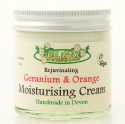 Geranium & Orange CreamGBP8.95
 -
 Calendula CreamGBP8.95
 -
 Rose Geranium Epsom SaltsGBP3.95
 -
 Rose & Frankincense CreamGBP10.95
 -
 Rose Butter SoapGBP3.95
 -
 Relaxing Oil BlendGBP6.95
 -
 Lavender Butter SoapGBP3.95
 -
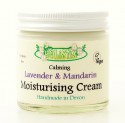 Lavender & Mandarin CreamGBP8.95








Aromatherapy for pregnancy
This information on this site is for educational purposes only and is not intended to medically prescribe.
Aromatherapy is a natural, healing modality employing essential oils extracted from aromatic plant sources to treat and balance the body, mind and spirit. During pregnancy, there are many instances when aromatherapy can be an extremely beneficial and helpful option, while also being very easy to employ. In order to use essential oils safely during pregnancy a few extra safety guidelines must be followed.
Lower dilutions
Essential oils are extremely concentrated and need to be diluted before use. A common dilution for aromatherapy blends during pregnancy is 2% - which would equal approximately 10 drops essential oil to 2 tablespoons of carrier oil. For an aromatherapy bath add 6-10 drops essential oil to the tub and mix well before getting in. 3-6 drops essential oil in a bowl of warm water wrung out in a washcloth works well for a compress. Use the same dilution in a bowl of steaming hot water for a steam inhalation.
Oils to avoid during pregnancy
Use of essential oils should be extremely limited or avoided during the first trimester of pregnancy, but they have many wonderful uses in the last two trimesters and especially during labour.
The following list contains oils that should be avoided* during pregnancy:
- Basil
- Cedarwood
- Cinnamon
- Clary sage (OK during labour)
- Clove
- Cypress (OK after 5 months)
- Fennel
- Hyssop
- Jasmine (OK during labour)
- Juniper
- Lemongrass
- Myrrh
- Parsley
- Pennyroyal
- Peppermint
- Rosemary
- Sweet marjoram
- Thyme
*Note: Since it would be highly unethical to test on pregnant women, the list of essential oils to avoid during pregnancy is based on knowledge of the general properties of each essential oil. For obvious reasons, during pregnancy it is recommended to avoid essential oils which are known to thin the blood or cause cramping or contractions. Used under proper dilution, most of these oils should not cause any problems during a healthy pregnancy, but it is always best to err on the side of caution.
If you are currently pregnant and have been using any of the "to be avoided" essential oils but are not experiencing any bleeding or cramping, then there most likely is nothing wrong. However, we strongly encourage you to consult your doctor or midwife and discontinue use of the "to be avoided" essential oils.
Recommended oils for pregnancy.
Listed below are some of the benefits and therapeutic effects of the essential oils recommended for use during pregnancy ( but after the first trimester):
- Bergamot - Analgesic, antiseptic, antidepressant, uplifting, and refreshing. Helpful for cystitis during pregnancy.
- Chamomile - Antiseptic, analgesic, anti-inflammatory and antispasmodic. Soothes pain from muscular aches, headaches, toothaches and indigestion.
- Cypress - (OK after 5 months) Antiseptic, antispasmodic, astringent and diuretic. Helpful for varicose veins, hemorrhoids and swollen ankles.
- Eucalyptus - Antiseptic, antibiotic, analgesic, anti-inflammatory, antiviral. Helpful with respiratory congestion.
- Frankincense - Antiseptic, astringent, sedative, warming.
- Geranium - (OK after 3 months) Antiseptic, antidepressant, astringent, refreshing, uplifting. Eases aching legs and is good for poor circulation.
- Grapefruit - Astringent, digestive aid, lymphatic stimulant. Helps with water retention.
- Lavender - Antiseptic, antibiotic, analgesic, antidepressant, healing, relaxing. Helps soothe aches and pains of pregnancy, encourages cell renewal and helps with fluid retention.
- Lemon - Antiseptic, antibacterial, antifungal, astringent, stimulant, tonic. Useful as an inhalant for morning sickness and in massage for varicose veins.
- Mandarin - Antiseptic, refreshing, tonic, mild relaxant. Can ease fluid retention in leg and ankle massages.
- Neroli - Antiseptic, antidepressant, antispasmodic, anti-inflammatory, relaxing. Useful in pregnancy to promote healthy skin cell regeneration and for easing nervous tension.
- Patchouli - Antiseptic, antidepressant, anti-inflammatory, nerve sedative. Eases confusion, indecision and apathy.
- Petitgrain - Antiseptic, antidepressant, sedative, refreshing, tonic. Helpful in dealing with pre or postpartum depression.
- Rosewood - Antiseptic, sedative.
- Sandalwood - Antiseptic, anti-inflammatory, antidepressant, sedative. Helpful for cystitis during pregnancy.
- Tangerine - Antispasmodic, lymphatic stimulant, calming, sedative. Helps to prevent stretch marks.
- Tea Tree - Antibiotic, antiseptic, antifungal, antiviral, disinfectant. Can be used to treat thrush during pregnancy.
- Ylang Ylang - Antiseptic, antidepressant, aphrodisiac, sedative, lowers blood pressure. Restorative when overworked or tense.
As always, use caution if you have allergies or a family history of allergies. If you think you may be allergic to an oil, do a patch test first.
This information is provided "as is" - it cannot replace the personal care your doctor or midwife provides for you.