
- Catalogue
- Therapeutic Balms
- Moisturising Creams
- Bodycare Spa
- Hand-crafted Soap
- Roll-On Aromatherapy
- Essential Oils
- Carrier / Infused Oils
- Gifts
- Festive
- Sundries
- Hair Care
- Dental Care
- Deodorants
- Sanitaryware
- Salcura Bioskin
- Herbal Ointments
- Herbal Teas
- Supplements
- Superfoods
- Eco-Home
- Gift Vouchers
- Information
- About Us
- Testimonials
- Delivery Info
- Contact
- Links
-
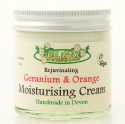 Geranium & Orange CreamGBP8.95
 -
 Rose & Frankincense CreamGBP10.95
 -
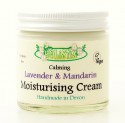 Lavender & Mandarin CreamGBP8.95
 -
 Relaxing Oil BlendGBP6.95
 -
 Rose Butter SoapGBP3.95
 -
 Calendula CreamGBP8.95
 -
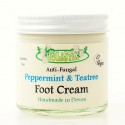 Peppermint & Teatree Foot CreamGBP8.95
 -
 Rose Geranium Epsom SaltsGBP3.95
 -
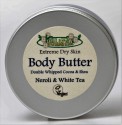 Body butter NeroliGBP17.50
 -
 Lavender Butter SoapGBP3.95










Using Essential Oils
Most essential oils are extracted from plant material using steam or water distillation. Selected plant materials are heated with steam, water or both until the essential oil vaporises. The oil then condenses as it cools.
All essential oils are concentrated and potent. They should be used very sparingly, only a few drops at a time, and always diluted in some other medium, such as plain massage oil (cold pressed vegetable oil) or unscented base cream (not a mineral oil cream). If essential oils are used undiluted they can cause burning and irritation. Essential oils do not dissolve in water unless mixed with a dispersant first. Some of the ways in which essential oils can be used include:
- Massage - a small amount added to a vegetable-based oil.
- Oil burner - a few drops mixed with water and vaporised in a burner.
- Bath - half a dozen drops added to a full bath.
- Inhalation - two to three drops added to a basin of hot water.
The sense of smell
The nostrils open up inside the skull to form the nasal cavity, which sits directly beneath the brain. Embedded in the ceiling of the nasal cavity are the olfactory cells. Each cell has tiny, moist hairs that trap odour molecules. It is thought that an odour is translated into electrical impulses by these cells, then passed on to the brain via the two olfactory bulbs. The message is interpreted by a part of the brain called the cerebral cortex. The sense of smell is poorly understood, but we do know that it is linked to the oldest, most primitive part of our brain and seems to have a direct link to our emotions.
Change is triggered in the brain
According to aromatherapy theory, the essential oil molecules bring about changes in the brain. These brain changes, in turn, bring about alterations in various body systems, such as digestion or blood pressure. Some researchers believe that when people experience mood changes or physical changes, it is because the smell has triggered a memory. For instance, if a person feels relaxed when they smell cinnamon, it might be because cinnamon conjures up pleasant childhood memories. However, practitioners maintain that inhaling an essential oil will usually trigger a predictable response, even if the person doesn't have any memories associated with the smell.
Some examples of a few of the popular aromatherapy oils and their uses include:
- Peppermint - digestive disorders.
- Rosemary - muscular pains, mental stimulant.
- Sandalwood - depression, anxiety and nervous tension.
- Tea tree - respiratory problems, anti-fungal, anti-bacterial and anti-viral.
- Lavender - headaches, insomnia, burns, aches and pains.
Special considerations
Some oils should be avoided by people with certain conditions, such as high blood pressure, epilepsy and pregnancy.
Pregnancy Oils to avoid during pregnancy include:
- Basil
- Cedarwood
- Clary sage
- Cypress
- Fennel
- Jasmine
- Juniper
- Sweet marjoram
- Myrrh
- Peppermint
- Rosemary
- Sage
- Thyme.
Epilepsy
Oils to avoid with epilepsy include:
- Fennel
- Hyssop
- Sage
High blood pressure
Oils to avoid with high blood pressure include:
- Hyssop
- Rosemary
- Sage
- Thyme
Some people may be sensitive to essential oils
Some oils can irritate or burn the skin, while others can bring on an allergic reaction, such as a skin rash, in susceptible people. Some of the oils that may cause problems include:
- Eucalyptus
- Ginger
- Thyme
- Black pepper
- Cinnamon
- Clove
- Oregano
- Lemongrass
- Some citrus oils
Handle with care
Some essential oils are toxic and should never be used at all - for example, camphor, pennyroyal, and wintergreen. Essential oils are very potent and should never be swallowed or applied undiluted to the skin. People with asthma and those prone to nose bleeds should use caution when inhaling vaporising oils.
Where to get help
- Qualified professional aromatherapy practitioner
- Doctors or naturopaths with aromatherapy training
Things to remember
- Aromatherapy is the use of essential oils to bring about physiological and emotional changes.
- The limited research done so far indicates that aromatherapy is helpful for a number of disorders, such as stress related complaints.
- Essential oils should never be swallowed or applied undiluted to the skin.
Photosensitivity
Some essential oils are mildly photosensitising and should be either avoided or used at a low level prior to sunbathing or using a sunbed. The main photosensitising oils used in aromatherapy include:
- Angelica root oil (Angelica archangelica)
- Bergamot oil expressed (Citrus aurantium ssp. bergamia)
- Bitter Orange oil (Citrus aurantium)
- Cumin oil (Cuminum cyminum)
- Lemon oil cold pressed (Citrus limonum)
- Lime oil expressed (Citrus aurantifolia)
- Tagette oil (Tagetes minuta)
If you love Bergamot essential oil and want to go out into the sunshine, be sure to use Bergamot FCF which has had the photosensitising components removed.
Irritants and sensitisers
Some essential oils can irritate the skin if used in too high a concentration or for a long period of time. The essential oils below represent the most commonly known among this group.
- Bay Leaf oil (Pimenta racemosa)
- Cinnamon bark oil (Cinnamomum zeylanicum)
- Clove oils (stem, leaf, bud) Syzygium aromaticum
- Litsea Cubeba aka May Chang oil (Litsea cubeba)
- Origanum oil (Origanum vulgar)
- Tagette oil (Tagetes minuta)
- Thyme white and red oil (Thymus vulgaris)
- Use no more than 3 or 4 drops of citrus oils in the bath since some may irritate sensitive skin
What can you do with Essential Oils?
Essential oils are a very versatile product. Listed are a few ways to use them. Essential Oils are a pure natural concentrated essence of the plant, they are very strong and should be used with caution. Extra care must be taken with children, when pregnant, breastfeeding or suffering serious medical condition like high blood pressure - some of the oils should be avoided and higher dilutions apply. Consult a herbal practitioner if in doubt.
- Massage - mix 5 - 10 drops to 10ml carrier oil.
- Perfume - mix 5 - 10 drops to 10ml carrier oil and rub on as you would perfume onto your wrists etc. A few drops neat onto your clothes is easy but may stain. Mix with alcohol/water and spray.
- A few drops of Eucalyptus on your handkerchief.
- Bath - up to 10 drops added neat to the bath, or you could also add 5ml carrier oil for a very moisturizing soak.
- Shower - add few drops to your flannel and rub briskly.
- Sauna - Eucalyptus, teatree or pine are great de-toxifiers to inhale in the sauna.
- Use in foot bath or bidet too.
- Inhale vapor. Hot water in bowl, add few drops oil, towel over head. Breath deeply through nose for 1 minute. You can buy a commercial inhaler that may be handy to use.
- Water bowls - 6 drops into boiling water will permeate the air within a few minutes.
- Diffusers - specially made for aromatherapy, either heated by candle or electricity under a small bowl to which you add hot water and a few drops of oil.
- Light bulb attachments are commercially sold, of which you add oil then heated by the heat of the light bulb.
- Candles - add few drops to melted wax.
- Humidifiers - few drops added to the water.
- Room sprays - make your own air freshener or disinfectant spray. Use a new plant sprayer. Add up to 5ml per 100ml water and shake. Citronella spray repels insects, Lemongrass sprayed in room after illness kills bugs and freshens.
- Household cleaning - 1 drop Teatree or Thyme in washing up or on sponge.
- Try blending a few oils together, for use on any of the methods above.