- Catalogue
- Therapeutic Balms
- Moisturising Creams
- Bodycare Spa
- Hand-crafted Soap
- Roll-On Aromatherapy
- Essential Oils
- Carrier / Infused Oils
- Gifts
- Festive
- Sundries
- Hair Care
- Dental Care
- Deodorants
- Sanitaryware
- Salcura Bioskin
- Herbal Ointments
- Herbal Teas
- Supplements
- Superfoods
- Eco-Home
- Gift Vouchers
- Information
- About Us
- Testimonials
- Delivery Info
- Contact
- Links
-
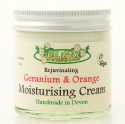 Geranium & Orange CreamGBP8.95
 -
 Calendula CreamGBP8.95
 -
 Rose & Frankincense CreamGBP10.95
 -
 Rose Geranium Epsom SaltsGBP3.95
 -
 Rose Butter SoapGBP3.95
 -
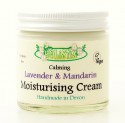 Lavender & Mandarin CreamGBP8.95
 -
 Body butter NeroliGBP17.50
 -
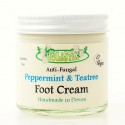 Peppermint & Teatree Foot CreamGBP8.95
 -
 Lavender Butter SoapGBP3.95
 -
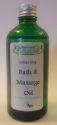 Relaxing Oil BlendGBP6.95








Nature's Finest Nutritional Whole Foods
Chlorella, spirulina, wheatgrass and barley grass are a 100% pure plant source of vitamins, proteins, minerals, essential amino acids and antioxidants. They are natural complete whole foods rich in chlorophyll and totally free from any synthetic additives allowing the body to maximise their numerous benefits. Safe and effective, they are the perfect nutrition easy to incorporate into your daily diet for energy, vitality and well-being.
Sourced for you from the very best and most reputable growers from around the world, they are available as tablets and powder in convenient packaging.
Yaeyama Chlorella
Arguably, one of the very best chlorella types in the world! Enjoyed by millions of people every day, broken cell wall Yaeyama Chlorella is a pure, natural whole food supplement with no synthetic additives, radiation-free and packed with essential vitamins, macronutrients, micronutrients, protein, minerals, enzymes, aminoacids, RNA/DNA and of course the Chlorella Growth Factor or CGF (Chlorella Extract). Chlorella is the richest known source of chlorophyll renowned for its powerful natural cleansing, detoxing and healing properties.
Hawaiian Spirulina
Produced by one of the world's leaders of microalgae whole food supplements, this superior green/blue algae strain is "The Spirulina of Choice" providing the highest levels of mixed carotenoids, enzymes, phycobiliproteins and antioxidants of any other spirulina in the world.
Organic New Zealand Barley Grass
Barley grass is the leaf portion of the barley plant and has been recognised for its high concentrations of vitamins, minerals, amino acids, enzymes and chlorophyll. Barley grass is a powerful antioxidant and a high alkalizing effect which helps control the body's acid levels, allowing for optimal cell function.
Customer reported health benefits of barley grass include:
* anti-bacterial, protecting against infection;
* similar in structure to haemoglobin, may help recovery from anaemia;
* may reduce blood sugar issues, so helping with diabetes and weight management;
* rebalances the body's pH (alkalising);
* may neutralize toxins in the body, making it an effective element in cleansing programs;
* it helps to purify the liver.
Organic New Zealand Wheatgrass
Wheatgrass is a nutritional food supplement rich in chlorophyll, minerals, vitamins, enzymes and amino acids. For many years it has been considered as a superfood with antibacterial and restorative properties capable of providing a range of health benefits and boosting energy and vitality, help with detoxification and with maintenance of the correct acid-alkaline balance in the body. Nicknamed “liquid gold” one serving of wheatgrass juice is the rough equivalent of one and a half pounds of leafy green vegetables.
Customer reported health benefits of wheatgrass include:
Improved skin and hair, including conditions such as dandruff and eczema;
Improved the digestive system;
Better muscle and endurance building;
Improved infection resistance and fighting;
Help controlling menopause;
Relief of blood sugar disorders;
Protection against diabetes and heart disease;
Lowered blood pressure;
Easier elimination of body and breath odours;
Protection against tooth decay;
Purification of the liver;
Elimination of heavy metals from the bloodstream;
Active appetite suppression;
Improved energy;
Improved overall health and well-being.
Spirulina
The following are extracts taken from an article where Robert Henrikson, a spirulina grower is being interviewed:
What is spirulina?
It's a microscopic algae in the shape of a perfect spiral coil. This first photosynthetic life form, our immortal ancestor, was designed by nature 3.5 billion years ago. Blue-green algae like spirulina produced the oxygen in our atmosphere allowing all higher life forms to evolve. It has renewed itself with billions of years of successful evolutionary wisdom coded in its DNA.
How does it improve gastro intestinal and digestive health? When people take spirulina they often notice immediate change in regularity and elimination. Research confirms it does promote digestion and bowel function. It suppresses bad bacteria like e-coli and Candida yeast and stimulates beneficial flora like lactobacillus and bifidobacteria. Healthy flora is the foundation of good health and it increases absorption of nutrients from the foods we eat, and helps protect against infection.
How does spirulina enhance natural cleansing and detoxification? When spirulina was first introduced 20 years ago, people quickly discovered it accelerated detoxification during fasting and cleansing. Later, in Japan, researchers found spirulina significantly reduced kidney toxicity caused by the heavy metal mercury and three pharmaceutical drugs. This suggested it's beneficial for humans suffering from heavy metal poisoning. Spirulina balancing body pH. It grows in very alkaline waters above pH 8. It's considered an alkaline food, and will help your body toward more alkalinity. Its a great balancer for any diet filled with acidic foods like sugar, coffee, soda, alcohol or meat. A balanced system will strengthen your health and increase resistance to disease. Spirulina works in many ways to strengthen our health.
Scientific discoveries show how spirulina benefits five of the most important health issues today:
- Strengthening the immune system.
- Supporting cardiovascular health and lowering cholesterol.
- Improving gastrointestinal anddigestive health.
- Enhancing naturalcleansing and detoxification.
- Reducing cancer risks with better antioxidant protection.
Nutraceuticals and Phytonutrients.
Scientists are identifying whole foods and plants with special life enhancing compounds, called phytonutrients. They are the leading edge of the health revolution. Spirulina is loaded with unique phytonutrients like phycocyanin, polysaccharides and sulfolipids that enhance the immune system, possibly reducing risks of infection, cancer and auto immune disease. Rich in natural carotenoid antioxidants that promote cellular health and reduce the risk of cancer. It has cleansing chlorophyll which helps detoxify our bodies of ever present pollution.
Why has spirulina been called a superfood?
Because it contains the most remarkable concentration of nutrients known in any food, plant, grain or herb. Its the highest protein food - over 60% all digestible vegetable protein. It has the highest concentration of beta carotene, vitamin B-12, iron and trace minerals and the rare essential fatty acid GLA. These make spirulina a great whole food alternative to isolated vitamin and minerals.
How does spirulina balance and strengthen our immune system?
Scientific theory explains the prime directive of our body's metabolism is to support our immune system. When our immune system is stressed or suffering, it draws on our body's metabolic energy. People with immune system imbalance often feel chronic fatigue and low energy. Both scientific research and the experience of thousands of people indicate spirulina is an immune regulating food. Small amounts can help balance and stabilize the immune system, freeing up more of our metabolic energy for vitality, healing and assimilation of nutrients. It enhances the body's cellular communication process and its ability to read and repair DNA, like a kind of cellular tune up. This is why people taking spirulina often report they have more energy.
What will spirulina do for athletes?
Athletes need extra nutrition. Spirulina is a high intensity superfood for a high intensity workout. Taken before jogging or competition, it delivers energy and improves stamina. Bikers, backpackers and mountain climbers will appreciate this lightweight survival food. For bodybuilders, it offers 60% protein and amino acids, low in fat. It's helpful for reducing caloric intake, essential for maintaining competitive weight.
World Class athletes use spirulina to improve performance. The Cuban Ministry of Sports gave it to their athletes to intensify training before the 1996 Olympic games. Cuban track stars have consumed it for many years. They say it helps create and mend muscle mass and helps iron retention. It improves endurance and wards off cramping for marathoners. When training increases appetite, spirulina curbs hunger.
When I was invited to the largest Chinese training center for 2000 athletes, I thought I was going to introduce them to spirulina. But, I soon found out it was their secret ingredient they'd been using for five years. The trainers said they prescribed it for athletes for all sports. It boosts the immune system and improves recovery, so their athletes can intensify training, for which they are famous. Where does their spirulina come from? I found out this Chinese training center has its own, private and exclusive spirulina farm.
Can a person lose weight taking spirulina?
It's not an appetite suppressant. It contains no drugs that trick the body. Yet, many people find taking a few tablets or a spirulina drink an hour before mealtime can help satisfy appetite, so they eat less. How does spirulina increase antioxidant protection and reduce cancer risks? Free radical molecules damage our body's cells. They are caused by pollution, poor diet, stress and injury. Antioxidant nutrients fight these dangerous oxidizing free radicals. They also stimulate our immune system to guard against cancer and other diseases and even slow the aging process. Major antioxidant vitamins are beta carotene (provitamin A) C, and E. Antioxidant minerals selenium, maganese, zinc, copper, iron and chromium form our bodies antioxidant enzymes. Spirulina contains all these nutrients, and exceptionally high levels of beta carotene and iron, and zinc in super spirulina. Research shows spirulina helps protect Vitamin C from potency loss.
What are the benefits for an aging population?
Spirulina is an ideal anti-aging food: concentrated nutrient value, easily digested and loaded with antioxidants. Beta carotene is good for healthy eyes and vision. This all vegetable, low fat protein means we can lighten up on a meat centered diet that can aggravate arthritis and raise cholesterol. When we choose to eat less meat, vegetables like spirulina are good sources of more iron and essential minerals.
Is spirulina recommended for pregnant mothers, infants and children?
Yes, its a perfect supplement. Iron deficiency anemia in mothers and children is the most prevalent nutritional disorder. Pregnant women can use spirulina's vegetable protein and bioavailable iron. In India and Vietnam, doctors prescribe spirulina for pregnant and nursing mothers and their infants.The United Nations and the World Health Organization recommend spirulina as safe and nutritious for children.
Published scientific studies with men in Japan and India showed several grams of spirulina daily can lower cholesterol. These studies suggest spirulina will reduce serum LDL (Low Density Lipoproteins - the bad cholesterol) and raise HDL (High Density Lipoproteins - the good guys). Human studies in Germany and India found a weight reduction effect along with cholesterol reduction. All these studies indicate spirulina is a useful supplement for cardiovascular health and for lowering cholesterol. The phytonutrients responsible for strengthening the immune system are beta carotene, phycocyanin and polysaccharides. Of course, scientists are confirming what people have been experiencing all along.
Isn't spirulina one of the most productive foods in the world?
Spirulina offers more nutrition per acre than any other food. Spirulina delivers 20 times more protein per acre than soybeans, 200 times more than beef. By growing more spirulina, we can help stop cutting the last original forests to grow food. By bringing it into our personal lives, we become part of the solution to improve the health of our planet.
Is there any Scientific evidence to these claims?
Yes. An international detective hunt has been underway for over 20 years. Scientists around the world - in Japan, China, India, Europe, Russia and the USA - are discovering how and why spirulina is so effective for human and animal health. Hundreds of published scientific studies reveal how spirulina and its unique phytonutrients boost the immune system and improve health. No other algae has been the subject of such intense research.
How much should people take and when should they take it?
Long time consumers and scientific evidence both suggest 2-5 grams a day bring significant health benefits. This is a teaspoon of powder or 6 to 20 tablets. Take it every day for best results. Because spirulina is a whole food, you can take it alone or with meals. Take convenient tablets anytime. Or, mix spirulina powder in a fruit juice smoothie as an instant breakfast, or in a vegetable juice smoothie in the afternoon."
Spirulina is now in high demand, the powder especially can be hard to obtain for the consumer. Our Spirulina has always come from the same farm in Hawaii, which has always been certified Organic until a recent change in summer 2004 in the USA organic regulations, temporarily holding back licences of many farms. However, this Spirulina is grown naturally without the use of herbicides or pesticides.
Chlorella
A complete and well-balanced nutritional food as nature intended it
Chlorella is a species of microscopic, single-cell green micro-algae approximately the size of a human blood cell. It has been on the earth for over 30 million years and it was the first simplest form of life with a true nucleus. Chlorella's name is devised from the fact that it contains the highest concentration of chlorophyll of any known plant on earth; like other chlorophyll-containing plants, algae convert inorganic chemical elements to organic matter by using light energy in a process called photosynthesis.
With plenty of sunlight and fertile growing conditions, chlorella reproduces itself by cell division at the rate of 4 new cells every 17-24 hours. It is this rich chlorophyll content gives chlorella its deep emerald-green colour and the pleasant seaweed-like smell. The fibrous chlorella shell has two important functions: the first is that it protects the inner cellular membranes until the algae is completely dry; secondly, the outer shell holds all the nutrients from the water and it is this ability of the chlorella for absorbing and retaining all the minerals and nutrients that makes it a superb natural cleansing supplement.
It was not until the 1900s that scientists realize that chlorella consists of 60% protein by weight and multiplies very fast and they began to research the idea of making food from chlorella. However, its low digestibility prevented it from being commercialised as a food until 1975 when a patented procedure was developed that breaks down the chlorella cell walls and yields a digestibility rate over 80%. There are now many other patented procedures that effectively break down the cell walls and exposing the nutrient-rich cytoplasm. A research group under Dr. Dam concluded that humans are able to consume algae as their principal protein source and survive for 20 days with no ill-effects; in this study, algae supplied 90-95% of the protein needs of the human subjects.
Chlorella is a truly super green plant food. All its ingredients work synergistically in perfect balance creating a truly remarkable "complete" wholefood where the sum is bigger than its nutrient parts. Here are some of the most powerful aspects of its nutritional profile:
16 vitamins and 8 minerals (plus vital trace elements and minerals); 19 amino acids (including the 9 essential); The highest concentration of RNA/DNA nucleic acid in all known plant foods; The richest source of chlorophyll known to man; Highly digestible complete protein; Essential fatty acids - Omega-3 and Omega-6; Nutritional co-factors including enzymes, polysaccharides and sterols
Barley Grass
Barley grass (hordeum vulgare) is the leafy growth of the young barley plant. It has been used by humans for thousands of years. The ancient Egyptians, Romans and Vikings all used barley - Columbus carried it to the Americas in 1493.
Much of barley grass' benefits come from its chlorophyll content. This is the same chemical that makes grass green. As the essential ingredient in photosynthesis it is the basis of all plant life. Chlorophyll also has a very similar structure to blood haemoglobin. Key ingredients of barley grass are protein, vitamins, and minerals. The protein in barley grass has 18 of the 22 amino acids, including all of the eight essential amino acids that the body can't make for itself. Barley grass is thus an excellent source of protein for vegans, who often lack it in their diets. Barley grass is also rich in A, B, C and E vitamins.
Barley grass is also an excellent natural source of minerals, including calcium, iron, magnesium, manganese, phosphorus and potassium, the "youth" or "beauty" mineral which helps with firmness and tone of skin and muscle, joints and teeth. As it also provides a substantial amount of folic acid, pantothenic acid, carotenoids (including beta-carotene) and organic sodium - it is small wonder it has been labelled a super green food.
Customer reported health benefits of barley grass include:
* anti-bacterial, protecting against infection; * similar in structure to haemoglobin, may help recovery from anaemia; * may reduce blood sugar issues, so helping with diabetes and weight management; * rebalances the body's pH (alkalising); * may neutralize toxins in the body, making it an effective element in cleansing programs; * it helps to purify the liver.
Numerous benefits have been reported by those who consume barley grass regularly. Scientific research at present lags behind what people are discovering for themselves. While exaggerated claims should be treated with caution, the impressive list of illnesses that show improvement when people add barley grass to their diet make it well worth considering if one suffers from any of the following conditions:
Arthritis; Asthma; Fatigue; Migraine; Excessive low density lipoprotein (LDL) cholesterol (the ‘bad' cholesterol); Blood sugar issues, including hypoglycaemia and diabetes; Inflammation and inflammation-related pain; Stomach and intestinal disorders.
Our barley grass is sourced from an organic farm in Canterbury, New Zealand. It is harvested while the plant is young before the grain develops. Within six hours of harvesting it is transported to an organically certified dehydrating plant, where the moisture content is reduced to approximately 4%. It is then milled and packaged. The entire process is organically certified and ensures a high proportion of the plant's original nutritional value.
Wheatgrass
Wheatgrass (triticum aestivum) is one of the most effective natural health supplements available. It is packed full of nutrients, including essential vitamins, minerals, enzymes, phyto-nutrients and all the essential amino acids. It also contains chlorophyll, which is a potent antioxidant and acts as a natural cleansing agent, which may help purify the blood and regenerate the liver.
Wheatgrass is the leafy growth of the young wheat plant. Although wheat has been used as a cereal crop for millennia, its cotyledon, or green shoots, have only been consumed by humans since agricultural research into its effectiveness as a dietary supplement in the 1930s. There is a growing body of evidence to support the benefits of consuming wheatgrass - benefits that range from improved digestion to reduction in high blood pressure.
Wheatgrass contains just 10-15 calories per teaspoon, with no fat or cholesterol. It is an excellent source of protein, providing around one gram of protein per teaspoon. Wheatgrass protein contains 19 of the 22 amino acids, including all of the 8 essential amino acids (those the body can't make for itself). It is thus an excellent source of protein for vegans, who often lack it in their diets.
Wheatgrass is also rich in vitamins, including B1, B2, B3, C and E. It also contains chlorophyll. Research suggests that the bio-available chlorophyll found in wheat grass may protect us from carcinogens by detoxifying the liver and bloodstream and strengthening cells. The liver is the main detoxification organ in the body, and the chlorophyll in wheatgrass may help to stimulate and regenerate it. Wheatgrass thus helps the body to neutralize many of the pollutants that enter our body.
Customer reported health benefits of wheatgrass include:
Improved skin and hair, including conditions such as dandruff and eczema; Improved the digestive system; Better muscle and endurance building; Improved infection resistance and fighting; Help controlling menopause; Relief of blood sugar disorders; Protection against diabetes and heart disease; Lowered blood pressure; Easier elimination of body and breath odours; Protection against tooth decay; Purification of the liver; Elimination of heavy metals from the bloodstream; Active appetite suppression; Improved energy; Improved overall health and well-being. Scientific research lags behind the experiential evidence for wheatgrass' beneficial effects. However, research so far has produced encouraging results regarding disorders of the blood and digestive tract.
Our wheatgrass is sourced from an organic farm in Canterbury, New Zealand. It is harvested while the plant is young before the grain develops. Within six hours of harvesting, it is transported to an organically certified dehydrating plant, where the moisture content is reduced to approximately 4% using a lyophilization method preserving the nutritional integrity of the plant. It is then milled and packaged. The entire process is organically certified by BioGro and retains a high proportion of the plant's original nutritional value. Organic production and processing helps retain the product's vitamin content, which is a by-product of microorganisms on the plant rather than part of the growth structure.